AI agents: what they are and which problems they actually solve
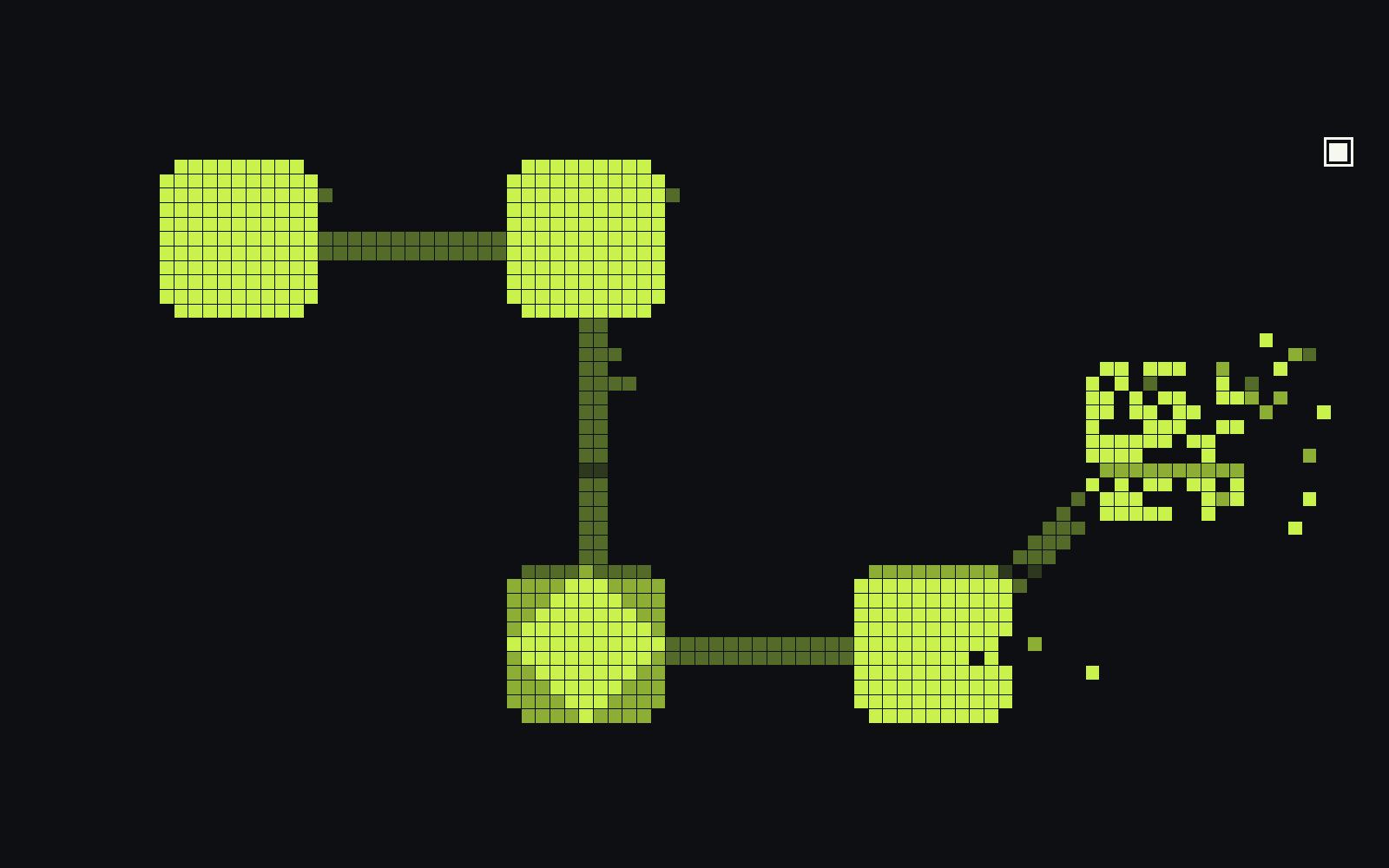
AI agents get discussed as the next step after chatbots. The difference is more concrete: an agent does not only answer, it acts — calls tools, reaches into systems, works through steps to a result. That is where the value comes from, and a class of risk that a plain chat never had.
How an agent differs from a chatbot
Three levels that often get conflated:
- A model call: you send text, you get text. No actions.
- A chatbot: the same, with conversation memory and perhaps access to your documents. Still only answering.
- An agent: receives a goal, decides which tools to call, runs several steps in sequence and checks the result. It can create a CRM record, send an email, trigger a calculation.
The key difference is that an agent takes actions with consequences. A chatbot's mistake is a wrong answer; an agent's mistake is a wrong action in your system.
Where agents work reliably
Good agent tasks share traits: few steps, each verifiable, and mistakes reversible.
- Triaging inbound requests: identify the topic, assign an owner, create a ticket.
- Gathering data from several sources into one report.
- First-line support with escalation to a human when uncertain.
- Drafting: emails, descriptions, product entries.
- Routine operations in interfaces that have no API.
Where they break
Long chains. The more steps, the higher the chance the agent takes a wrong turn. An error at step three of ten means the remaining seven are wrong too, and that is hard to spot.
Tasks with no verifiable result. If correctness cannot be checked automatically, the agent will confidently do the wrong thing.
Irreversible actions. Moving money, deleting data, emailing customers — here the agent should prepare and a person should press the button.
Rare exceptions. Agents handle typical cases well and edge cases badly, and edge cases are exactly what needs attention.
What to put in place before launch
Not technical details but conditions without which an agent should not go live:
- Limit permissions. The agent gets access to exactly what the task needs and nothing more.
- Separate read from write. Start read-only and add write access once you have seen the behaviour.
- Require human confirmation for irreversible steps.
- Log every action. Without a trail you cannot reconstruct what happened.
- Set limits: how many steps, how many calls, how much time. Otherwise an agent can loop.
- Provide a kill switch that stops it immediately.
How to measure quality
Before launch, define success: share of tasks completed without a human; share of wrong actions; time per task versus doing it manually.
Count the cost separately. An agent making ten model calls per task can cost more than an employee — that is settled by arithmetic, not by impression.
Where to start
Not with the hardest task but with one where the result is verifiable and a mistake costs nothing. Run it on a single process, grant read-only access, watch the log for a week.
Almost always it turns out half of what you planned needs no agent — ordinary automation or an integration does it. That is a normal outcome: agents belong where judgement is needed in an ambiguous situation, not where the rules are known in advance.
Questions people ask
What is an AI agent in simple terms?
A program built on a language model that receives a goal and works through the steps to reach it: calling tools, querying systems, checking results. Unlike a chatbot it does not only answer, it acts.
How is an AI agent different from a chatbot?
A chatbot replies with text. An agent performs actions: creating records, sending requests, triggering processes. So its mistake is not a wrong answer but a wrong action in your system.
Which tasks can an AI agent handle?
Ones with few steps, verifiable results and reversible mistakes: triaging requests, assembling reports, first-line support, drafting. Irreversible actions should be prepared by the agent and executed by a person.
Is it safe to give an agent access to our systems?
Only with constraints: least privilege, read-only first, human confirmation on irreversible steps, a full action log, and limits on step count.
How much does building an AI agent cost?
It depends on the number of integrations and the reliability required. A significant part of the budget goes not to the model but to guardrails, logging and handling the cases where the agent got it wrong.